Can I Sell My House for Relocation? Here’s What You Need to Know
If you’ve ever looked at your home and thought, “Someone else could really love this place, just somewhere else,” then you’re not alone. With the rising demand for character homes, growing land value in urban areas, and tighter building restrictions, selling your house for relocation has become a practical and sustainable path for many Auckland property owners.
Whether you’re planning to rebuild, subdivide, or simply make space, there’s real value in exploring what’s possible. In this guide, we’ll walk you through what makes a house suitable for relocation, how to assess its value, and how we at Fenton House Removals manage the entire process from start to finish.
What Does “Selling A House for Relocation” Actually Mean?
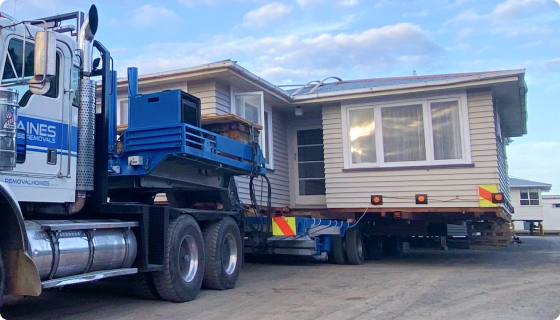
Selling a house for relocation means you’re selling the physical structure only – not the land it sits on.
The house is purchased by a buyer who then moves it to a new location, where it’s placed on piles and reconnected to services. Your land stays in your hands, and you gain both usable space and, often, some welcome cash flow.
This is common in places like Auckland where development pressures are high, and in many cases, older homes are being cleared to make way for new builds or higher-density housing.
Why Sell Your House for Relocation?
There are a few good reasons to consider this route:
- Free up your section for a development or rebuild
- Avoid demolition costs, which can be significant
- Gain capital to fund your next project
- Contribute to sustainability by giving your home a second life
- Preserve heritage by rehoming a character villa or bungalow
With growing interest in preserving New Zealand’s architectural history, homes with native timber framing and quality old-style craftsmanship are highly sought after.
What Makes a House Suitable for Removal?
Not every property is right for relocation, but you’d be surprised how many are.
Some key features that make a house suitable include:
- Timber construction (lightweight and strong)
- Single-storey or easily sectioned layout
- Stump or timber pile foundations (rather than concrete slabs)
- Good condition structurally, or at least roadworthy
- Access for heavy transport, both on and off the site
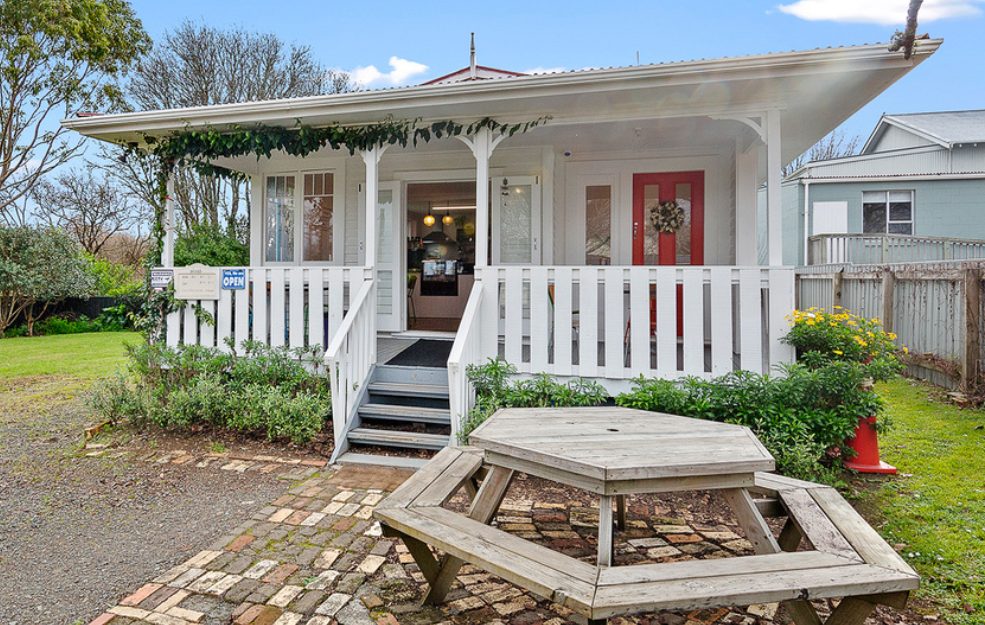
Homes like classic villas, bungalows, and worker cottages are regularly relocated throughout New Zealand. Even more modern builds can be suitable, provided they’re not too bulky or complex.
If you’re unsure, we offer free assessments to help determine if your home fits the criteria.
How Is Value Determined?
The value of a home sold for relocation depends on several factors:
- Build size and layout
- Age and condition
- Materials used, especially if it features native timber
- Number of bedrooms and bathrooms
- Finishings, fittings and style appeal
- Whether asbestos or other hazardous materials are present
Sometimes, a charming cottage in solid condition can earn more interest than a larger but less practical bungalow. We factor all this in when assessing your home’s market potential.
To get a general idea of house values and prevailing buyer demand across Auckland and wider New Zealand, it helps to follow market insights from platforms like Trade Me Property or the Real Estate Institute of New Zealand (REINZ).
What’s the Process from Start to Finish?
Here’s how it usually works when you sell your house for relocation with us:
- Initial consultation – We visit your property, assess suitability, and advise you on possible value
- Consent guidance – We help you navigate required permissions, including council consents and removal approvals
- Home listed for sale – Once a sale is agreed, Fenton manages the logistics for moving the home
- Your section is cleared – You’re left with free land, ready for its next chapter
We coordinate the entire removal process, right through to ensuring the house is safely transported and placed onto new piles in its next location.
For a general understanding of Auckland Council requirements around building removals and consents, check their removal and relocation page.
Can I Still Sell If My House Needs Work?
Yes – many buyers are open to putting in the time and effort to renovate, especially if the bones are strong. We’ve placed older homes that need new kitchens or roofing, and they’ve found great new lives in rural settings or lifestyle blocks.
That said, serious structural problems (like sagging floors or extensive rot) can reduce relocation value – but it won’t necessarily rule out the option altogether.
What About Asbestos?
We get this one a lot. Asbestos is more common than many realise, especially in homes from the 1940s to 1980s. Having it doesn’t mean your house can’t be moved – it just means awareness and proper handling during removal.
We’ll flag if asbestos appears likely during our site inspection, and testing can be arranged. For more on the rules around asbestos, WorkSafe New Zealand has a clear guide available here.
Thinking Of Selling? Let Us Check If Your Home’s The Perfect Relocation Candidate
We’ve been moving houses for over 30 years, and we’ve seen everything from small weatherboard cottages to five-bedroom villas find new places to call home.
If you’ve got a house that no longer fits your needs or your land’s too valuable to sit under a tired home, selling it for relocation might be the smarter way forward.
Call us on 0274 599 386 or contact us through our website to arrange a no-pressure assessment. We’ll help you figure out if your house is a good fit, what it could be worth, and what steps to take next.
You don’t have to do this alone. We’ll walk with you every step of the way.

 English (New Zealand)
  简体中文
简体中文