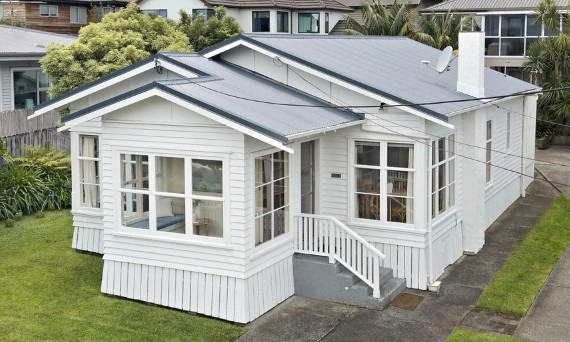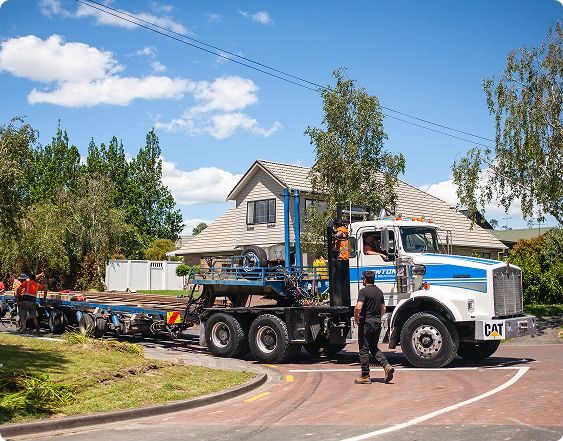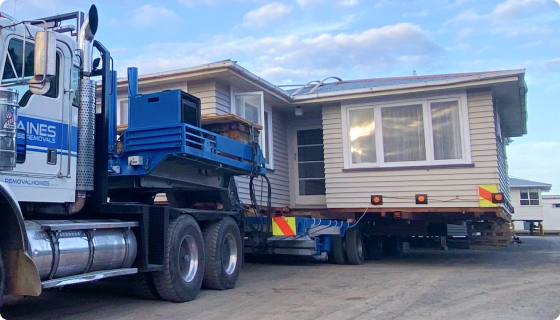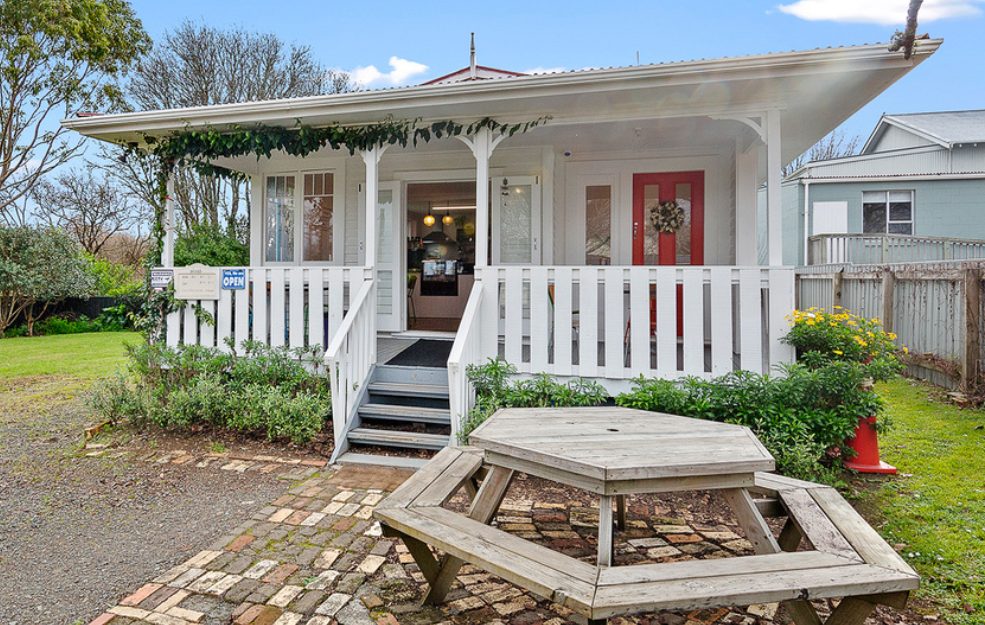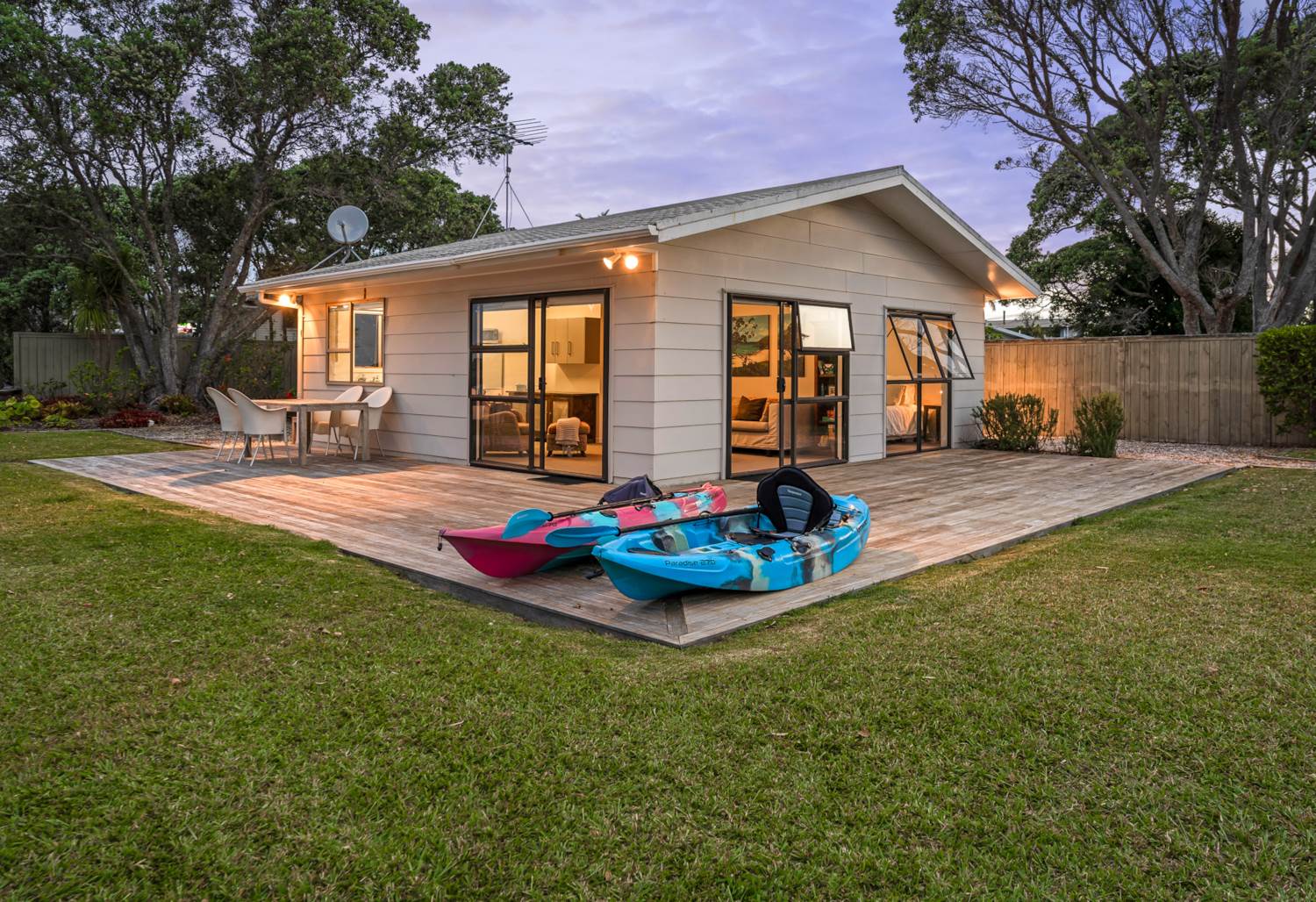
Relocatable homes in NZ offer a practical way to put the right building on your land, whether that is a family home in the city or a lifestyle block, an investment property, a house or minor dwelling for extended family or a sleepout for extra space beside the main house. The range available for relocation takes in houses and bungalows through to minor dwellings, sleepouts, sheds and garages, so there is something to suit a wide variety of sites, budgets and plans. Fenton House Removals buys, sells and moves homes from its yard in Helensville, and has many years of experience relocating homes across the North Island.
What This Guide Covers
- Relocatable Homes to Suit Almost Any Situation
- Houses for Removal in NZ: What Is Available in the Fenton Yard
- Why a Relocatable Home Suits So Many Different Plans
- Browsing the Removal Houses Currently for Sale
- What Happens Once You Choose a Home
- How Fenton House Removals Can Help
- Frequently Asked Questions
Relocatable Homes to Suit Almost Any Situation
No two sites or households are quite the same. The size of the land, the budget and the number of bedrooms needed all vary, and so do the reasons for wanting a building in the first place. A first home buyer may be looking for a practical family house. A lifestyle block owner may want a main home with room to grow, and an investor or organisation may need a building that can be put to use on a site they already own.
A relocatable home is an existing house that has been lifted off its original site so it can be moved to a new one and placed on new foundations. These homes have already been built, so the range on offer at any time covers many different sizes, styles and layouts. That gives buyers a real choice of floor plans. The team at Fenton works with first home buyers, families, lifestyle block owners, investors and organisations. The starting point is always the same: understanding the site and what the building needs to offer.
Houses for Removal in NZ: What Is Available in the Fenton Yard
The houses for removal that Fenton holds in its yard fall into six categories. Each category is listed on the properties page, so it is easy to focus on the type of building that suits the plan.
Houses make up the core of the range. They cover family homes with a variety of bedroom options, living areas, a kitchen and bathrooms, and suit anyone who needs a main or secondary residence. Bungalows are beautiful, mainly post-World War 1 single-level buildings with solid bones that offer a layout that works well for families and for easy everyday living. Some of the more flexible options are smaller: minor dwellings and sleepouts can add accommodation for family, a private space or a home office alongside an existing house. Sheds and garages provide storage or workshop space. With the right plans and consents, they can also become a functional living area. Fenton House Removals has vast experience in all types and styles of buildings and will help you find the one that fits your needs best.
Stock turns over regularly and not every home reaches the website, so the best way to see what is available right now is to visit the yard or give the team a call on 027 382 4628. The yard is at 2 Garfield Road, Helensville, an easy drive for anyone looking at houses for removal in Auckland or across the wider region.
Why a Relocatable Home Suits So Many Different Plans
Fenton’s own site sets out three reasons relocatable homes appeal to so many buyers: affordability, flexibility and sustainability. How much each one matters depends on the plan, whether that is a first home, extra space for family or a building for an investment property.
Affordability
A relocatable home offers a route into a home without stretching further than planned. Fenton’s pricing typically covers the house, delivery within 100km radius from their yard and placement on new NZ3604 standard timber pile foundations, which brings the main costs together from the start. Buyers budget separately for consents, their draftsman and the trades who reinstate and connect the home.
Flexibility
Flexibility is where a relocatable home offers the most. Buying an established property brings the house and the land as a pair, whereas a relocatable home lets you choose each one separately. You can secure the section that suits your plans, whether that is a section in the suburbs, inner city or a lifestyle block, a rural township section or a larger lot, and then choose a home that fits both the site and the household. A relocatable home can also add a building to land that already has an existing home on it, including a minor dwelling or a sleepout, where plans and consents allow.
Sustainability
Choosing a relocatable home means putting an existing building back to work, with its structure and layout already in place. That suits anyone who wants their project to make good use of what already exists, whether that is a family wanting a new home fast or an organisation adding a building to its site. Every home relocated avoids a demolition and gives a new owner the space they need. Reusing a home also delivers real and significant cost savings, by buying an existing, established house. That lets the budget stretch further and can free up funds for the finishing touches that make the home your own.
Browsing the Removal Houses Currently for Sale
The properties page is the easiest place to start, with each removal house for sale shown with photos and details. Taking time over the listings helps you picture the size and layout that suits your site. The guide to choosing a relocatable house covers what to weigh up, such as the size of the home against the size of the section and which rooms will catch the morning and afternoon sun.
The listings are a starting point rather than the full picture. A visit to the Helensville yard gives a proper sense of scale, finish and layout, and the team can talk through homes that have not yet been listed. The gallery also features homes that Fenton has relocated to new sites, giving a clear idea of how a completed home can look in its new setting.
What Happens Once You Choose a Home
Getting from a chosen home to a home settled on your land follows a clear order, and the Fenton team is on hand at each stage.
- Book a site assessment. The Fenton team visits your section to check access, where the home will sit and what needs preparing before the move. This gives you a clear picture of the project from the outset.
- Engage your draftsman and specialists. Your draftsman prepares the plans for consents, on the home’s position relative to boundaries, orientation, driveways and other site features. Fenton works alongside the draftsman to ensure the project moves in the right direction and in a timely manner. Fenton can also connect you with surveyors, geotechnical engineers and insurance brokers. Council requirements differ between regions, so confirm the details with your local council and draftsman early. The MBIE building consent process page explains how consent works in New Zealand.
- Prepare the site. The land needs clear access for delivery and a level, ready area for the foundations. The site preparation guide sets out what is involved.
- Install the new foundations. Fenton offers NZ3604 standard timber pile installation for relocated homes, recommending the right type of pile foundation based on your geotechnical engineer’s reports and providing a detailed quote for the work. You are also welcome to engage your own foundation contractor, and some sites call for a concrete slab rather than piles.
- Moving night. Moves typically take place at night, with the home travelling as an overdimensional load under NZTA permits that set the approved route and travel times. Larger homes often travel in sections that are rejoined on site, and Fenton then places, levels and secures the home on its new foundations.
- Reinstatement and connections. You engage your own builder, roofer, electrician, plumber and other tradespeople to reinstate the home and connect services. Fenton can connect you with trusted trade partners, and the We Move Homes page covers each stage in more detail.
How Fenton House Removals Can Help
The team at Fenton has vast experience sourcing, assessing and relocating homes across the North Island. Fenton walks alongside clients from the first enquiry through to placing the home on its new site. Whether the plan is a family home in the city, the suburbs or on a lifestyle block, a secondary building or a minor dwelling beside an existing house or a building for an investment property, the team can help match the right home to the site.
The clearest next step is to book a site assessment with the Fenton team. The experienced Fenton team is always happy to answer any questions along the way on 027 382 4628, at sales@removalhomes.co.nz or through the contact page.
Frequently Asked Questions
What Is a Relocatable Home?
A relocatable home is an existing house that is lifted off its original site and moved to a new one, where it is placed on new foundations. Relocatable homes are also known as removal homes or houses for removal.
What Kinds of Buildings Can Be Relocated?
Fenton’s range covers houses of various sizes, bungalows, villas, minor dwellings, sleepouts, sheds and garages. Stock changes regularly, so the properties page and a call to the team give the clearest picture of what is available at any time.
Are All the Available Homes Listed on the Website?
Not always, since stock turns over regularly and some homes sell before they are listed online. Calling 027 382 4628 or visiting the Helensville yard is the best way to see everything currently available.
What Is the Difference Between a Relocatable Home and a Transportable Home?
A relocatable home has already been built and lived in on its original site before being moved. A transportable home is built new elsewhere and then delivered, and Fenton House Removals deals mainly in relocatable homes but can also offer deliveries of transportable homes including foundations.
Can a Relocatable Home Be Moved Onto Any Section?
Yes, relocatable homes are regularly moved onto inner city, suburb, lifestyle blocks and rural sections. Site access, ground conditions and any covenants on the land need to be checked first, and a site assessment with input from your draftsman and geotechnical engineer will confirm these.
How Far Will Fenton Deliver a Relocated Home?
Fenton delivers houses all across the North Island. An additional transport fee applies for locations beyond a 100km radius of the Helensville yard, and the team can confirm this for your site.